The structure known worldwide as the Colosseum was originally and properly named the Amphitheatrum Flavium (Flavian Amphitheatre), taking its name from the Flavian dynasty of emperors (Vespasian, Titus, and Domitian) who commissioned and completed its construction.
Construction and Financing
The construction of the Amphitheatre began around 70–72 AD under Emperor Vespasian. The site chosen was symbolically significant: it was located in the marshy valley near the eastern edge of the Roman Forum, specifically on the land previously occupied by the artificial lake and gardens of Emperor Nero's extravagant Domus Aurea (Golden House). By building a public monument on the site of a private imperial residence, Vespasian symbolically returned the land to the Roman people.
The colossal project was largely financed by the immense spoils of the First Jewish-Roman War (66–73 AD), particularly from the devastating siege and capture of Jerusalem in 70 AD. Tens of thousands of Jewish slaves were also brought back to Rome to assist with the construction.
Inauguration and Completion
The Flavian Amphitheatre was largely completed and formally inaugurated in 80 AD by Vespasian’s son and successor, Emperor Titus. The inauguration was a spectacular event, celebrated with legendary games that are reported to have lasted for 100 days and involved thousands of gladiators and wild animals. At the time, it was the largest amphitheater ever built, seating an estimated 50,000 to 80,000 spectators.
Titus's younger brother, Emperor Domitian, succeeded him and completed the amphitheatre's final stages of construction (c. 81–96 AD). His major contribution was the complex network of subterranean tunnels and chambers known as the Hypogeum , which housed the animals, slaves, and machinery used to raise scenery and participants onto the arena floor.
Use in the Imperial Age
The Flavian Amphitheatre was the principal venue for three main types of public spectacles:
Munera: Gladiatorial contests, which were contests of strength, skill, and ritualized combat, often culminating in death.
Venationes: Wild animal hunts, involving the staging of elaborate hunts or fights between professional hunters (bestiarii) and exotic beasts imported from across the Roman Empire.
Ad bestias: Executions where criminals were killed by wild animals.
The use of the Amphitheatre for these brutal spectacles continued throughout the Imperial Age. The last known gladiatorial fights took place around 404 AD, when they were abolished by Emperor Honorius due to the influence of Christianity. The venationes (animal hunts), however, continued for a longer period, with the last recorded games occurring as late as 523 AD.
The Name "Colosseum" and Decline
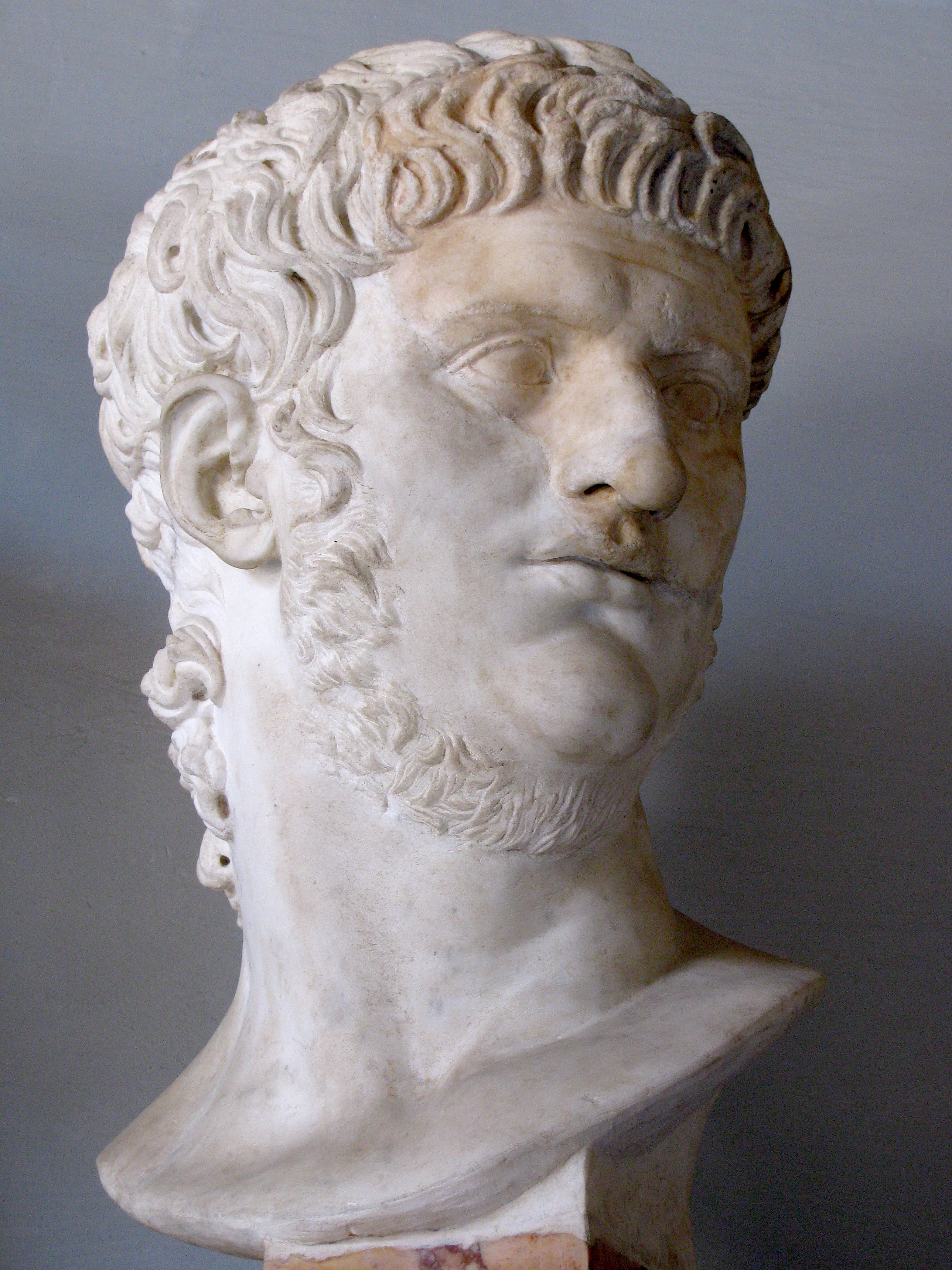
The name "Colosseum" was not an original Roman designation but emerged in the Middle Ages (likely by the 8th century AD). The name is widely believed to derive not simply from its large size, but from the immense Colossus of Nero, a bronze statue of the Emperor Nero that stood nearby. Though later rededicated to the sun god Sol, the statue remained a prominent landmark in the vicinity, lending its name to the adjacent amphitheater.
Following its abandonment as an arena, the Colosseum suffered centuries of neglect and degradation. It was severely damaged by earthquakes, but its greatest enemy was human exploitation. From the medieval period onward, it served as a massive quarry, its valuable stone, marble façade, and iron clamps being stripped and reused as building materials for palaces, churches (like St. Peter's Basilica), and fortresses across Rome. This destructive practice continued until the 18th century (1744), when Pope Benedict XIV consecrated the site as a sacred place to commemorate Christian martyrs, which finally halted its use as a quarry.
Today, the Colosseum stands as a universal symbol of the power and cruelty of the Roman Empire and was fittingly listed among the New Seven Wonders of the World in 2007.