Ancient Rome: The Renovation of the Sacred Fire
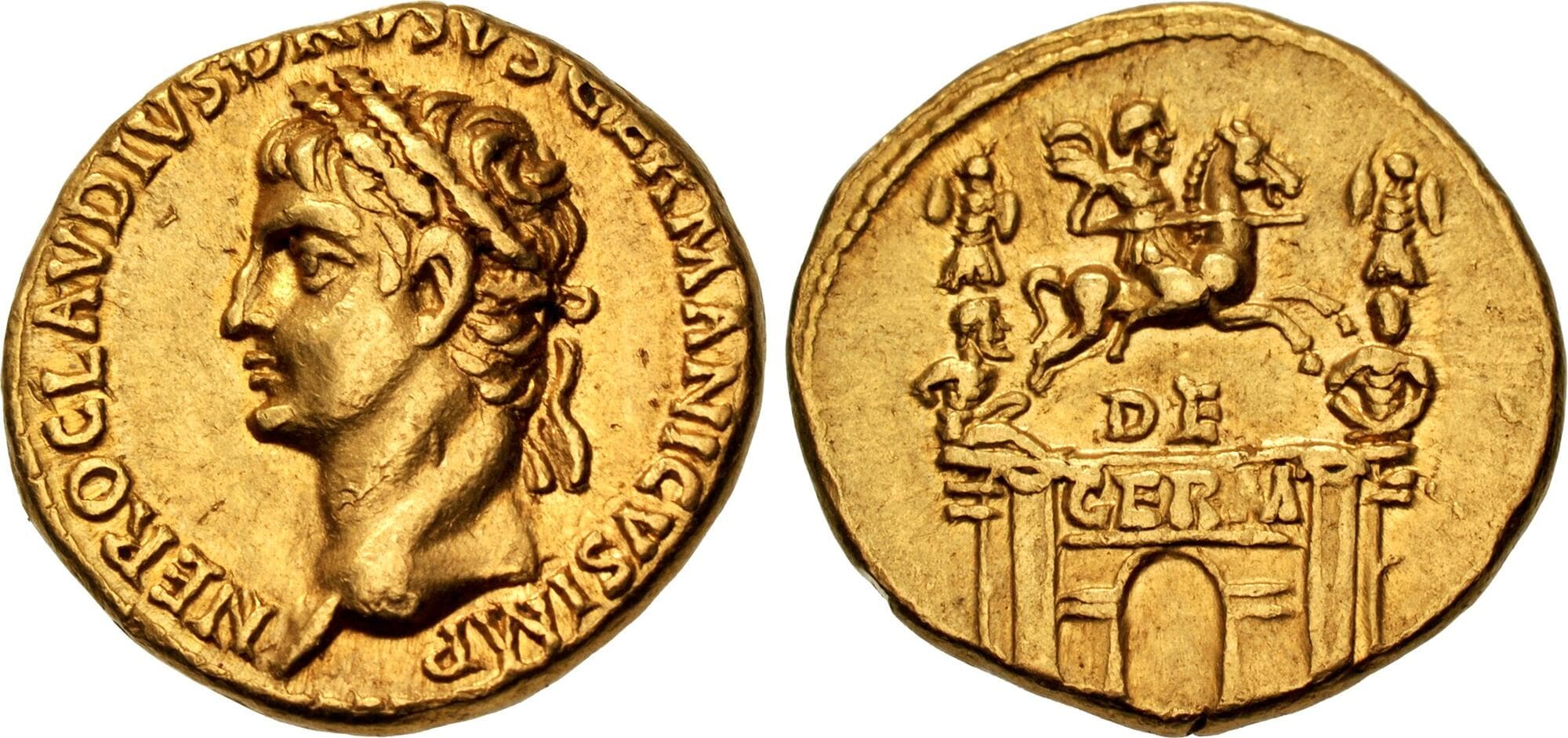
The Ancient Romans originally celebrated their New Year on March 1st. This date marked the renovation of the sacred fire dedicated to the goddess Vesta, the protector of the hearth. It was believed that her fire had to remain perpetually lit to ensure the strength and stability of Roman society.
Later, the civil New Year shifted to January 1st, the day the two new Consuls assumed office. The Consulship was the highest political office in Rome, and because years were identified by the names of the presiding Consuls (e.g., "The Year of Caesar and Bibulus"), January 1st became the functional start of the Roman political and administrative calendar.
Ancient Greece: A Lunar Beginning
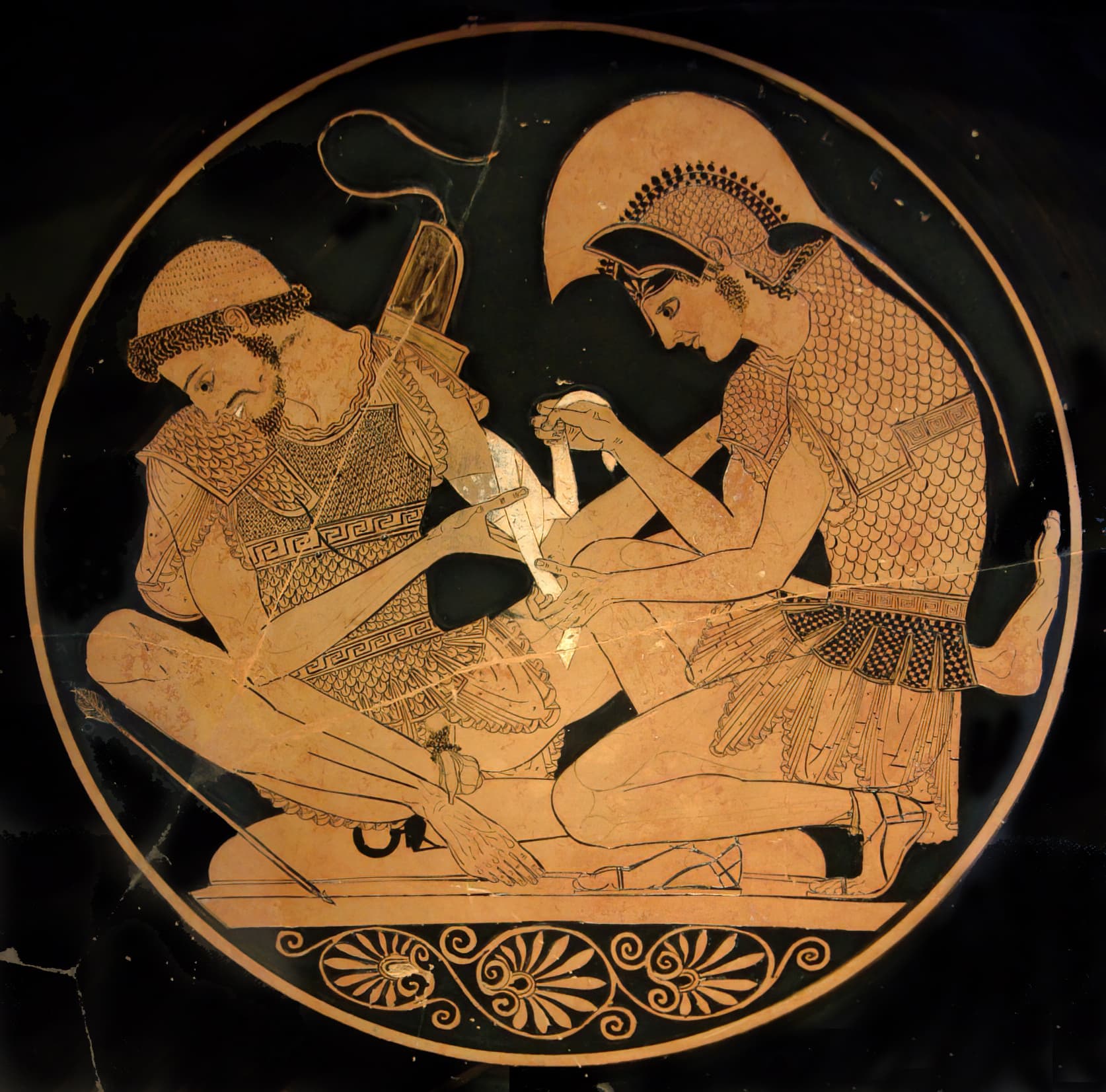
Unlike the Romans, the Ancient Greeks didn't have a single "national" New Year because each city-state (like Athens or Sparta) used its own calendar.
The Athenian Year: For Athenians, the New Year began at the Hekatombaion, which occurred during the first new moon after the summer solstice (usually in July).
The Festivals: It was a time for the Panathenaia, a massive festival celebrating the goddess Athena with processions, athletic competitions, and sacrifices.
Purpose: The Greek calendar was "metonic" (linked to the moon), so their New Year was less about a fixed date and more about the changing seasons and agricultural cycles.
Ancient Egypt: The Rising Nile
For the Egyptians, the New Year was entirely dictated by nature and the stars, specifically the Wepet Renpet ("The Opening of the Year").
The Star Sirius: The year began with the heliacal rising of Sirius (the "Dog Star"). After being invisible for 70 days, Sirius would reappear in the dawn sky.
The Inundation: This celestial event almost always coincided with the annual flooding of the Nile. Since the flood brought the silt necessary to grow crops, the New Year was seen as a rebirth of the land.
Celebration: It was a time of great feasting and "The Feast of Drunkenness," dedicated to the goddess Hathor to celebrate the salvation of humanity.